Promotional messaging campaign guide for India, rules, ideas and timing
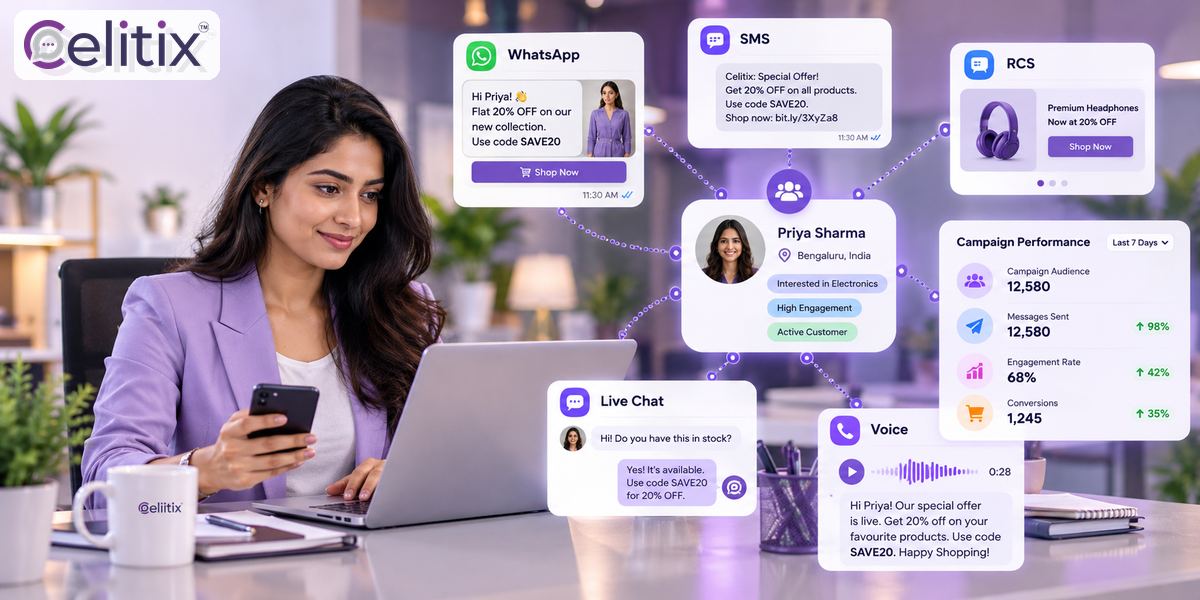
During Diwali week every brand your customer has ever bought from sends the same message on the same day with the same discount. Most of it is deleted unread.
A promotional messaging campaign that works is rarely the one with the biggest offer. It is the one that arrives when the customer is deciding, from a sender they recognise, with one thing to do.
Key takeaways
Segment before you write. The same offer to everyone is why open rates fall every festive season.
Promotional traffic reaches non DND numbers only, inside the permitted daytime window.
Every message needs a registered template, so a festive calendar has to be filed weeks ahead.
One offer, one link, one deadline. Two calls to action halve both of them.
Send earlier than the crowd. The day before the rush beats the day of it.
Promotional messaging campaign, the rules before the ideas
A promotional messaging campaign in India runs inside constraints that are not negotiable, and planning around them is cheaper than discovering them on the morning of a sale.
Non DND numbers only - promotional traffic does not reach registered DND numbers at all.
Daytime window only - it is blocked outside the permitted hours, however good the offer is.
Registered templates - the wording is approved before you send, not after.
Registered links - any URL in the message must belong to a domain tied to your entity.
Consent on record - you need to show where and when the number opted in.
That last point is the one that quietly kills a promotional messaging campaign. A purchased list generates complaints against your entity, and complaints cost headers rather than money. India's data protection framework, which governs how that consent is handled, is published by MeitY.
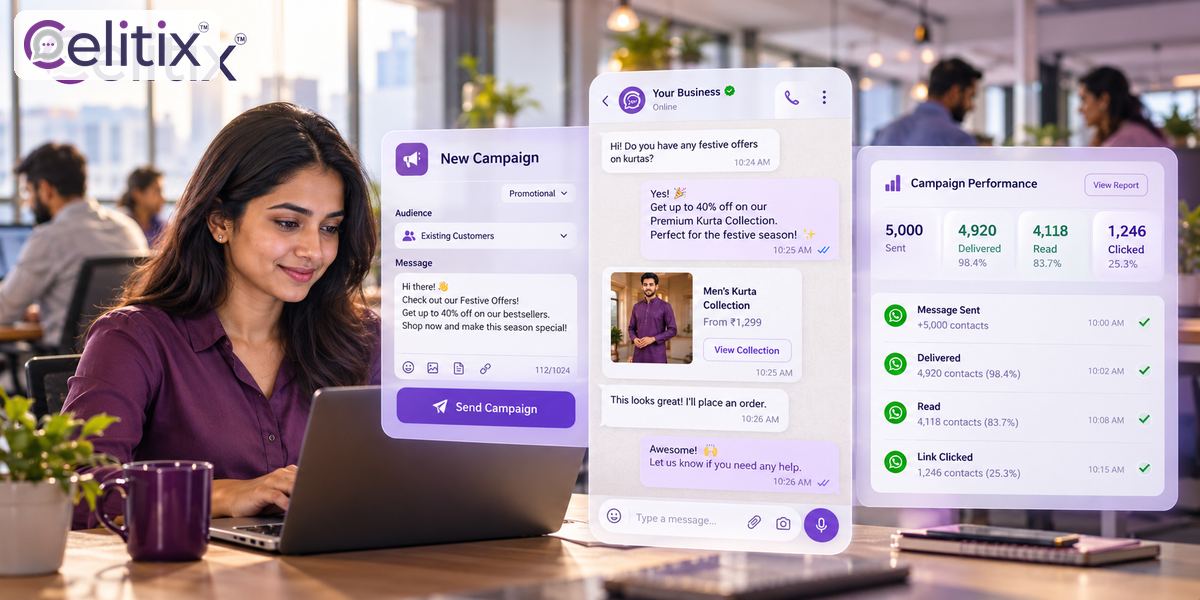
Festive campaign messaging that is not just a discount
Festive campaign messaging is where everyone competes on the same two variables, date and percentage. The brands that cut through change a third one - relevance.
Pre-Diwali - What the customer is deciding: Gifting, who gets what. Message that fits: Curated picks by budget, not a flat sale.
Diwali week - What the customer is deciding: Last chance to get it in time. Message that fits: Delivery cut-off, stated plainly.
New Year - What the customer is deciding: Resolutions and renewals. Message that fits: Plan upgrades and starter bundles.
Wedding season - What the customer is deciding: Large planned purchases. Message that fits: Appointment booking, not a coupon.
Back to school - What the customer is deciding: A list to work through. Message that fits: Bundles and bulk pricing.
End of financial year - What the customer is deciding: Spending before a deadline. Message that fits: Invoice-ready offers for businesses.
Good festive campaign messaging also files early. Templates for a promotional messaging campaign have to be approved before the date, and approval queues lengthen in the weeks everyone is filing at once.
Timing beats discounting
The day before the crowd outperforms the day of it, for a simple reason. The customer who has not yet spent their budget is a different customer from the one who has. Sending on the same morning as everyone else means competing for attention after the decision is largely made.
Promotional sms ideas that are worth sending
Most promotional sms ideas fail because they announce rather than prompt. These seven give the customer something to do, which is the only thing a 160 character message can achieve.
Abandoned cart with the item named - specific beats generic by a wide margin.
Back in stock - sent only to the people who asked, so it reads as service.
Price drop on a viewed item - the intent already exists, you are just closing it.
Delivery cut-off reminder - urgency that is true rather than manufactured.
Loyalty points expiring - loss framing, and the points are already theirs.
Early access for repeat buyers - status rather than discount.
Replenishment nudge - timed to the product, consumables especially.
Notice that the strongest promotional sms ideas are triggered rather than scheduled. A promotional messaging campaign built on behaviour runs all year and needs no festival at all.
Seasonal marketing messages across channels
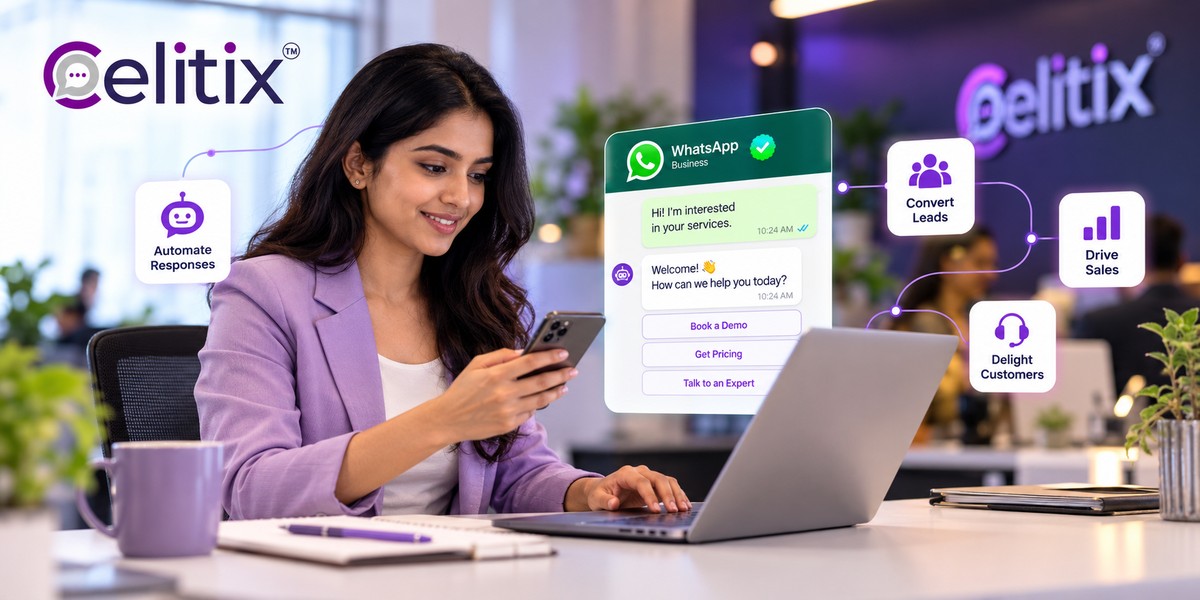
Seasonal marketing messages do not all belong on SMS. Matching the channel to the job is what stops the campaign feeling like noise.
Reach everyone, including feature phones - Best channel: SMS. Why: No data or app needed.
Show the product - Best channel: RCS. Why: Carousels and images inside the thread.
Answer questions and close - Best channel: WhatsApp. Why: Two way, with a person or a bot.
Long form offer detail - Best channel: Email. Why: Space, and it is archivable.
Time-critical confirmation - Best channel: SMS. Why: Fastest, most reliable delivery.
Running seasonal marketing messages from one contact record matters more than the channel mix itself. Otherwise the same customer gets the same offer four times, and a promotional messaging campaign becomes the reason they opt out.
Campaign messaging best practices
These campaign messaging best practices are the ones that change results rather than tidy the copy.
Segment by behaviour, not demographics - last purchase date beats age bracket every time.
One offer and one link - a second call to action splits attention and halves both.
Name the deadline - vague urgency is read as no urgency.
Make the sender obvious - an unrecognised header is deleted before the offer is read.
Cap the frequency - set a limit per customer per week across all channels, not per channel.
Always test the send - to your own numbers, with the real template, before the real list.
The campaign messaging best practices that matter most are the boring two. Clean lists and honest deadlines outperform clever copy over any period longer than one campaign.
What to measure
Not delivery rate. Revenue per thousand messages sent, and opt-out rate per campaign. The first tells you if it worked, the second tells you what it cost you in list health for next time.
Common questions
Why did my promotional SMS not reach some customers?
Most likely they are on the DND register, which promotional traffic cannot reach. Service messages to customers who opted in explicitly are the route for those numbers.
How far ahead should I file festive templates?
At least two to three weeks. Approval queues lengthen when every business is filing for the same festival, and a template approved the day after your sale is worthless.
How often is too often?
Set a cap per customer per week across every channel and hold to it. Opt-out rate climbing campaign on campaign is the signal you passed it.
Should offers go on SMS or WhatsApp?
SMS for reach and urgency, WhatsApp where the customer may have questions before buying. Running both from one contact record stops the duplicate send.
Can I include a link in a promotional SMS?
Yes, but the domain has to be registered to your DLT entity first. An unregistered link is the most common reason an otherwise fine template is rejected.
Where to start with Celitix
A promotional messaging campaign is easier to run when the list, the consent and the report are in one place. Celitix runs SMS marketing and bulk SMS with RCS business messaging, WhatsApp Business API and two way SMS on one CPaaS platform, with DLT template filing handled for you.
Add a WhatsApp chatbot and CRM integrations so campaign replies land where your team already works. Sector examples sit on the retail and ecommerce and travel and tourism pages, and pricing will size it against your campaign volume.
Book a free Celitix demo